

In this article
- What Does Howzat Mean in Cricket?
- Why Do Cricketers Shout Howzat?
- 1. To Appeal for LBW
- 2. To Appeal for Caught Behind
- 3. To Appeal for a Catch
- 4. To Appeal for a Stumping
- 5. To Appeal for a Run Out
- What Happens After a Howzat Appeal?
- The Batter Is Given Out
- The Batter Is Given Not Out
- Does the Umpire Have to Give Out When Players Shout Howzat?
- Is Howzat an Official Rule in Cricket?
- Why Do All the Fielders Shout Howzat Together?
- What Is the Difference Between Howzat, Out and Not Out?
- Howzat in Modern Cricket and DRS
- Frequently Asked Questions About Howzat in Cricket
- What does Howzat mean in simple words?
- Why do bowlers shout Howzat?
- Can a batter be given out without Howzat?
- Does Howzat mean the batter is definitely out?
- Can the wicketkeeper appeal for a wicket?
- Is Howzat used only for LBW?
- Does the umpire have to respond verbally to Howzat?
- Can the fielding team appeal more than once?
- What is the difference between Howzat and DRS?
- Final Thoughts
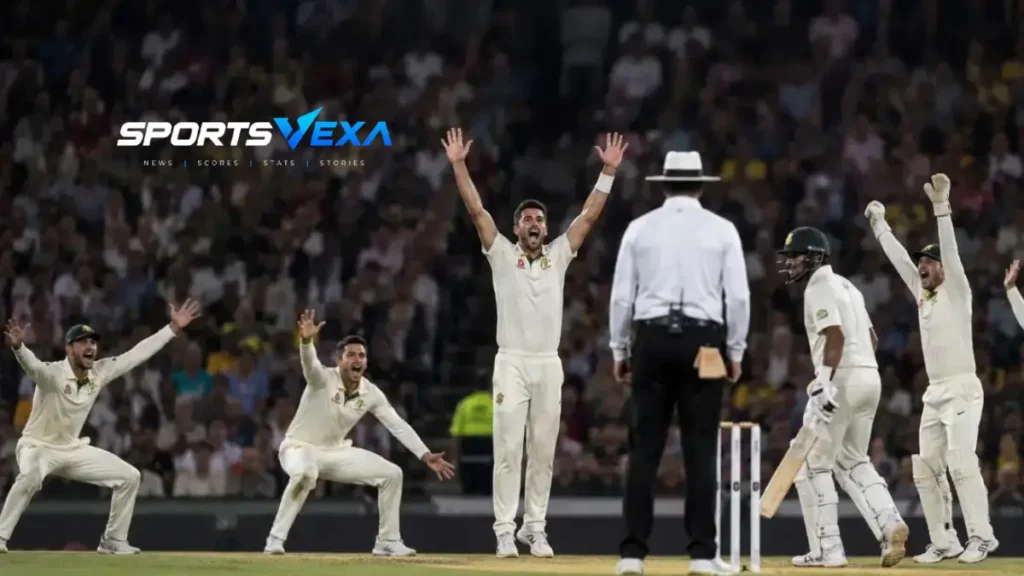
Have you ever watched a cricket match where the bowler suddenly turns towards the umpire, raises both arms and shouts, “Howzat!”? Within seconds, the wicketkeeper and nearby fielders may join in, hoping to celebrate a wicket.
But what does Howzat actually mean? Why do cricketers shout it so loudly, and does an umpire have to give the batter out when the entire fielding team appeals?
Howzat is one of the most recognisable expressions in cricket. It is a traditional appeal used by the fielding side to ask the umpire whether a batter should be given out. From a close LBW decision to a possible edge behind the stumps, this simple word can turn an ordinary delivery into a dramatic moment.
In this guide, we explain the meaning of Howzat in cricket, why players use it, how umpires respond, and the rules every cricket fan should understand.
What Does Howzat Mean in Cricket?
Howzat is a shortened form of the question “How’s that?” In cricket, it is an appeal made by the fielding team when players believe the batter has been dismissed.
In simple words, the fielding team is asking the umpire: “Is the batter out?”
The appeal can follow different situations, including a possible leg-before-wicket (LBW), a catch behind the stumps, a catch taken by a fielder, a stumping or a run out.
For example, imagine a bowler delivers a fast ball that strikes the batter on the pads. The bowler believes the ball would have hit the stumps, so they immediately shout “Howzat!” The wicketkeeper and close fielders may join the appeal.
The umpire then considers the circumstances and decides whether the batter is out or not out.
The important distinction is that Howzat is a request for a decision, not confirmation that a wicket has fallen.
Why Do Cricketers Shout Howzat?
Cricketers shout Howzat to appeal for a dismissal. Under the Laws of Cricket, an appeal is generally required before an umpire can give a batter out, subject to the provisions of the laws.
Players may appeal because they genuinely believe they have taken a wicket, but the exact reason depends on what happened during the delivery.
1. To Appeal for LBW
Leg Before Wicket, commonly known as LBW, is one of the most familiar reasons for a Howzat appeal.
An LBW appeal usually occurs when the ball strikes the batter’s person rather than the bat and the bowler believes the ball would otherwise have hit the stumps.
However, not every ball that hits the pads results in an LBW dismissal. The umpire must consider several factors, including where the ball pitched, where the impact occurred, whether the batter attempted to play the ball and whether the ball would have hit the stumps. The relevant conditions depend on the circumstances set out in the Laws of Cricket.
Match example: A right-arm bowler delivers a ball that moves into the batter. The ball hits the front pad, and the bowler immediately appeals. The umpire must assess the LBW conditions before making a decision.
This is why a loud appeal does not automatically mean the batter is out.
2. To Appeal for Caught Behind
A caught-behind appeal often involves the wicketkeeper and slip fielders.
The bowler delivers the ball, the batter attempts a shot, and the ball passes close to the edge of the bat before entering the wicketkeeper’s gloves. If the fielding team believes the ball touched the bat and was caught legally, the players may shout Howzat.
These decisions can be particularly difficult when the edge is faint and there is little visible movement.
The umpire must determine whether the batter was caught under the applicable laws. In competitions using the Decision Review System (DRS), an eligible team may be able to challenge certain decisions according to the competition’s playing conditions.
3. To Appeal for a Catch
When a batter hits the ball into the air, fielders may attempt to complete a catch before the ball touches the ground.
If a fielder catches the ball, the team may appeal because it believes the batter has been dismissed.
Close catches can create plenty of excitement. Sometimes the ball appears to be caught cleanly, but the fielder may have touched the ground or the ball may have bounced first. The umpire must assess whether the catch was completed in accordance with the Laws of Cricket.
4. To Appeal for a Stumping
A stumping appeal usually involves the wicketkeeper.
It can happen when the batter moves out of the crease to play a delivery, misses the ball, and the wicketkeeper collects it and breaks the wicket while the batter is out of their ground.
The wicketkeeper may immediately appeal by shouting Howzat or asking the umpire for a decision.
However, being outside the crease alone is not enough. The dismissal must satisfy the relevant stumping conditions, including the requirements concerning the delivery and the wicketkeeper’s actions.
5. To Appeal for a Run Out
A run-out appeal may occur when a batter attempts to complete a run but fails to make their ground before the wicket is fairly put down by the fielding side.
For example, a fielder throws the ball towards the stumps while the batter is running. The wicketkeeper collects the throw and breaks the wicket, but the batter’s bat has not reached the crease in time.
The fielding team may appeal, and the umpire checks whether the run-out conditions have been satisfied.
What Happens After a Howzat Appeal?
After an appeal, the umpire considers the incident and makes a decision. There are two common outcomes.
The Batter Is Given Out
If the umpire determines that the batter has been dismissed under the applicable laws, the umpire signals out by raising an index finger.
The batter must then leave the field according to the normal match procedures.
The Batter Is Given Not Out
If the umpire determines that the conditions for dismissal have not been met, the batter remains at the crease.
For instance, an LBW appeal may be rejected because the ball would have missed the stumps or another required condition was not satisfied. A caught-behind appeal may be rejected if the umpire concludes that the ball did not touch the bat.
A not-out decision does not necessarily mean that the fielding team made an unreasonable appeal. Players can genuinely believe a wicket has fallen and still be mistaken.
Remember: The number of players appealing and the volume of their shouting do not determine the decision. The umpire must apply the relevant laws.
Does the Umpire Have to Give Out When Players Shout Howzat?
No. An umpire does not have to give a batter out simply because the fielding team appeals.
The appeal asks the umpire to consider whether a dismissal has occurred. The umpire must make an independent decision based on the incident and the relevant laws.
A batter can remain not out even if the bowler, wicketkeeper, captain and several fielders all appeal together.
Similarly, an umpire can give a batter out when satisfied that the conditions for dismissal have been met. The appeal is an essential part of the process, but the final decision belongs to the umpire.
The Laws of Cricket also allow an appeal to be considered in relation to a qualifying mode of dismissal other than the one the fielders initially suspected, provided the applicable requirements are met.
Is Howzat an Official Rule in Cricket?
The word Howzat itself is not a separate dismissal rule. It is the traditional expression used when appealing to the umpire.
The relevant provision is Law 31: Appeals, in the Laws of Cricket. It explains the role of appeals in decisions about dismissals.
An appeal must be made within the time allowed by the law. Broadly, it must occur before the bowler begins the run-up for the next delivery or before time is called at the end of a period of play.
An appeal also does not have to use the exact word Howzat. The essential issue is whether the fielding side has made a clear appeal in accordance with the laws.
This means a player does not need to shout a particular phrase at a specific volume to make an appeal. Howzat is simply the expression most widely associated with this moment in cricket.
Why Do All the Fielders Shout Howzat Together?
When a possible wicket occurs, several fielders may appeal at the same time because they believe they have seen evidence of a dismissal.
The bowler may feel the ball hit the pads in front of the stumps. The wicketkeeper may suspect an edge, while slip fielders may have heard a faint sound. Their combined reaction communicates their belief that a wicket has fallen.
There is also a psychological element to an appeal. Fielders are excited, the match may be at a crucial stage, and every wicket can change the outcome of a game.
However, an appeal should not be confused with the umpire’s decision. Players may be convinced that the batter is out, but the umpire must still evaluate the incident fairly.
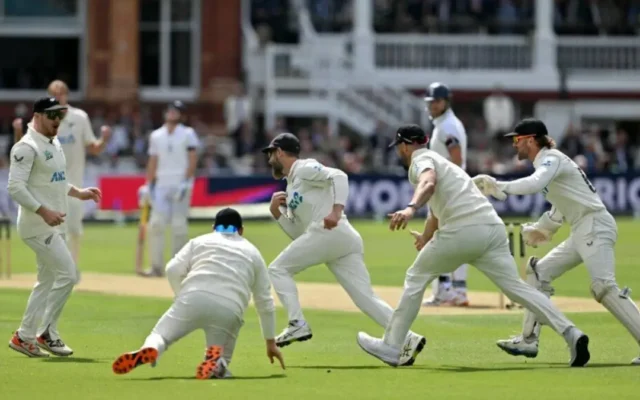
For spectators, this is part of what makes cricket so compelling: a single delivery can lead to a dramatic appeal, a tense pause and a decision that changes the match.
What Is the Difference Between Howzat, Out and Not Out?
These expressions describe different parts of a cricket decision.
| Term | Meaning |
|---|---|
| Howzat | An appeal asking the umpire whether the batter is out |
| Out | The umpire’s decision that the batter has been dismissed |
| Not out | The umpire’s decision that the batter has not been dismissed |
| LBW | A mode of dismissal involving the ball striking the batter’s person under specific conditions |
| Caught behind | A catch taken after the ball touches the bat or glove, subject to the relevant laws |
| DRS | A review system available in certain competitions under their playing conditions |
Understanding these differences helps new fans follow appeals without confusing a possible wicket with an official dismissal.
Howzat in Modern Cricket and DRS
The Howzat appeal remains a familiar part of Test cricket, One Day Internationals, T20 internationals, domestic competitions and local matches.
Modern cricket has introduced technology that can help officials review certain close decisions. In competitions where the Decision Review System is available, teams may be allowed to challenge eligible on-field decisions under the competition’s playing conditions.
Depending on the technology and the decision being reviewed, the process may help officials examine factors such as ball tracking, possible contact with the bat and other available evidence.
For example, a batter may be given not out following an LBW appeal. If the fielding team has a review available and believes the decision is incorrect, it may request a review. The third umpire then follows the applicable review protocol, and the on-field decision is confirmed or changed as permitted by the rules.
DRS does not change the meaning of Howzat. The appeal still asks the umpire to consider a possible dismissal, while a review is a separate procedure governed by the relevant playing conditions.
For fans following cricket news, live scores and match analysis, understanding the difference between an appeal, an on-field decision and a review makes close calls easier to understand. SportsVexa covers sports updates, live scores, statistics, predictions and match analysis for fans who want to stay informed about the game.
Frequently Asked Questions About Howzat in Cricket
What does Howzat mean in simple words?
Howzat means “How’s that?” It is an appeal made by the fielding team to ask the umpire whether the batter should be given out.
Why do bowlers shout Howzat?
Bowlers shout Howzat when they believe their delivery has resulted in a possible dismissal, such as LBW, caught behind or another mode of dismissal.
Can a batter be given out without Howzat?
Under the Laws of Cricket, an umpire generally cannot give a batter out without an appeal from the fielding side, subject to the provisions of the laws.
Does Howzat mean the batter is definitely out?
No. Howzat is an appeal, not a final decision. The umpire determines whether the batter is out or not out.
Can the wicketkeeper appeal for a wicket?
Yes. The wicketkeeper is part of the fielding side and may appeal when they believe a dismissal has occurred, including a possible caught-behind or stumping.
Is Howzat used only for LBW?
No. A Howzat appeal may be made for different modes of dismissal, including LBW, caught, stumped and run out.
Does the umpire have to respond verbally to Howzat?
No. The umpire does not have to give a verbal response. The important part is the official decision, communicated through the appropriate signal or procedure.
Can the fielding team appeal more than once?
Players may appeal during an incident, but an appeal must comply with the laws and the permitted timing. Repeated shouting does not change the evidence or guarantee a wicket.
What is the difference between Howzat and DRS?
Howzat is an appeal made by the fielding team. DRS is a review system used in certain competitions to reconsider eligible decisions according to their playing conditions.
Final Thoughts
Howzat is much more than a familiar shout heard on a cricket field. It is the fielding team’s way of asking the umpire to decide whether a batter has been dismissed.
Whether the appeal follows a possible LBW, a faint edge, a catch, a stumping or a run out, the principle remains the same: an appeal prompts the decision, but the relevant laws determine the outcome.
The next time you hear a bowler shout Howzat, pay attention to what happened before the appeal, how the umpire responds and whether a review follows. Understanding these details can make even the closest cricket decisions more interesting to watch.
For More Blogs on Cricket Read Sportsvexa


Join the conversation